
Instagram Reels for Makeup Artists: How to Film Transformations That Showcase Your Skills
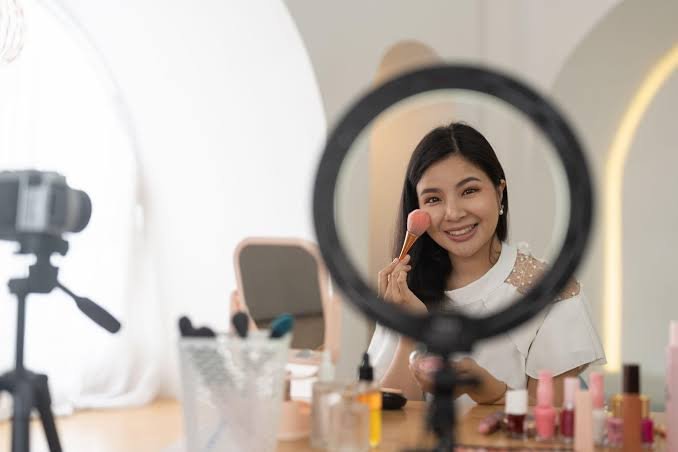
Learn how to plan, film and edit makeup transformation Reels that showcase your skills and attract the right audience.
Instagram Reels for makeup artists can do more than fill a social media grid. Short-form videos give potential clients a chance to see how you work, understand the looks you create and decide whether your style suits their occasion.
For makeup professionals, beauty students and aspiring artists, Reels can also become a practical part of a digital portfolio.
Good content does not require an expensive camera or complicated editing. A phone, stable support, suitable lighting and a repeatable filming process are enough to begin.
Plan Your Makeup Reel Before Recording
A successful Reel usually begins before the camera is switched on. Decide what the viewer should understand by the end of the video.
Start with the audience you want to reach. If you provide bridal makeup, create videos that show bridal looks, skin preparation, hairstyle coordination and the finished appearance from different angles.
Write a simple shot list before the appointment. For example, record the clean face or agreed starting look, a few important application moments, the finished makeup from the front and side, and a final close-up.
Think about the video format as well. Vertical framing is generally the natural choice for Reels because it uses the full phone screen.
Agree on the content with your client or model before filming. Explain what you plan to record, where the video may appear and whether their face, voice or identity will be visible. Obtain clear permission before recording and posting.
1. Record a Clear Before-and-After
The before-and-after sequence is often the central story of a makeup transformation Reel. It helps viewers understand the starting point and see the finished result without needing a long explanation.
Record the starting look before makeup begins, with the person's agreement. Use a neutral expression and a comfortable pose.
During the transformation, capture a small number of clips that show meaningful stages. These might include skin preparation, foundation blending, eye makeup, cheek definition, lip colour and the final setting process.
For the final reveal, ask the model to turn gently toward the camera or look in a different direction so the viewer can see the makeup from more than one angle.
When editing the comparison, make the transition easy to follow. You can place the before and after clips next to each other, use a simple cut, or show the finished look after a brief transition.
2. Use Good Lighting
Lighting has a major influence on how makeup appears on camera. Poor lighting can make a foundation shade look different, hide blending details or create harsh shadows around the eyes and nose.
Natural light from a window can be a useful starting point. Position the model facing the window rather than placing the window directly behind them. This usually creates a softer, more even appearance across the face.
A continuous LED light or ring light can help when filming indoors or in the evening. Place the light near the camera direction and adjust its brightness so that the skin does not look washed out.
Try not to mix several lighting sources with noticeably different colour temperatures. For example, daylight from a window combined with a warm yellow ceiling light can create uneven colour across the face.
Check white balance and exposure before filming. If the phone keeps changing brightness or colour while you record, tap and hold on the face to lock focus and exposure if your device supports it.
For a professional makeup artist portfolio, accurate colour matters. A lipstick shade, foundation match or eyeshadow blend should look close to how it appears in person. Avoid filters that significantly alter skin tone or makeup colour.
3. Highlight Your Technique
Transformation videos become more valuable when they show how the result was created. A finished look can attract attention, but short process clips help demonstrate your skill and the care behind the application.
For an eye makeup video, you could record a close-up of eyeshadow placement, blending between shades and the final eyeliner detail. For a bridal base, show skin preparation, controlled foundation application and how you blend around the jawline.
Keep the camera steady when recording close-up work. A tripod, phone stand or stable surface can reduce distracting movement. If another person is filming, ask them to move slowly and avoid sudden zooming.
Use short clips with a clear purpose. A few seconds of blending can be enough to show the technique.
You can also create educational Reels from common questions. Explain the difference between a dewy and matte finish, show how you choose a lip shade for a particular look, or demonstrate how you keep tools organised between appointments.
Remember that close-up footage should still respect the person being filmed. Ask permission before showing identifiable facial details, and avoid recording private conversations or sensitive moments during an appointment.
4. Edit for Clarity
Editing should make the transformation easier to follow, not distract from the makeup. Begin by selecting the clearest clips and arranging them in a simple sequence: opening view, selected application moments and final reveal.
Add on-screen text only where it helps viewers understand the content. A short opening label such as “Soft glam bridal transformation” tells people what they are about to see.
Choose audio that fits the mood of the look and is available for your intended use on the platform. Music trends can change quickly, so do not build your entire content plan around one sound.
Check the video from beginning to end before publishing. Look for abrupt cuts, inconsistent colour, blurry clips, text errors and frames where the face is hidden by stickers or graphics.
Write a caption that adds useful context rather than repeating every word on screen. Mention the makeup style, the technique or service being demonstrated and, where relevant, the location you serve.
Before posting, confirm that the client or model has approved the final video and the way it is presented. Check that the account tags, location details and enquiry information are correct.
Turn Reels Into a Professional Portfolio
Posting individual videos is only one part of Instagram for makeup artists. Your profile should help a visitor understand who you are, what services you provide and how to contact you.
Use a clear profile image and a short bio that identifies your role, service area and main specialities. If you offer bridal makeup, HD makeup, party makeup or hairstyling, mention the services that are relevant to your business.
Organise your strongest work so that visitors can quickly find examples. Pin a small selection of Reels that represent your most requested services, your preferred makeup style and your best transformation videos.
Build a balanced content mix instead of posting only finished transformations. You might rotate between full makeup reveals, short technique demonstrations, product or tool organisation, frequently asked questions, client-approved testimonials and behind-the-scenes preparation.
Consistency is more useful when it is realistic. Choose a posting schedule you can maintain alongside client appointments and training. For example, plan a few videos from each suitable appointment, then edit and schedule them when you have time.
Use performance insights to learn what your audience finds useful. Review watch time, replays, shares, saves, profile visits and genuine enquiries rather than judging every post only by its view count.
Instagram growth is not guaranteed by a particular posting time, audio track or hashtag count. Results vary by audience, content quality, account history and platform distribution. Treat each post as an opportunity to learn.
Make sure your content reflects the services you can actually provide. If you post bridal makeup transformations, show a range of looks that represent your real work and explain what is included in the service when relevant.
Instagram also provides guidance for creators through its official Best Practices for Creators resource. It covers areas such as creation, engagement and reach.
For aspiring makeup artists, training can support the practical skills behind the content. Learning application techniques, skin preparation, colour selection, hygiene and client communication helps you create work that you can confidently present online.
When you film clients or models, make consent part of your normal workflow. Explain whether the footage will be used on your public profile, promotional material or course portfolio.
Finally, make it easy for an interested viewer to take the next step. A caption can invite people to enquire about availability, ask about a makeup service or visit your contact page.
Ready to showcase your talent? Contact Deepthi Makeup Academy to learn about makeup courses and portfolio development opportunities in Hyderabad.
A strong makeup Reel does not need to show everything. It needs to show the right details clearly, represent your work honestly and help the right audience understand your skills.
For Instagram creator guidance, read the official Instagram Best Practices resource. Explore Deepthi Makeup Academy and contact the academy about makeup courses and portfolio development in Hyderabad.
Frequently Asked Questions
What should a makeup artist post on Instagram Reels?
Makeup artists can post before-and-after transformations, short technique demonstrations, bridal and party makeup looks, product application tips, hairstyling details and client-approved behind-the-scenes clips. Choose subjects that reflect your services and skills.
How do I film a makeup transformation video?
Plan the shots before recording, use a stable vertical camera position, capture an agreed starting look, record a few key application stages and finish with clear front and side views.
What lighting is best for makeup Reels?
Soft natural light or a diffused continuous LED light can help show makeup colours and blending.
How can Instagram Reels help build a makeup artist portfolio?
Reels can show finished looks, application techniques and the range of services an artist offers. Pin representative videos, organise useful Highlights and keep profile and enquiry information current so potential clients can understand the artist’s work.
Do makeup artists need trending audio to grow on Instagram?
No single audio choice guarantees growth. Use audio that suits the video and is available for your intended use, but make sure the transformation is clear even without sound.
Should I ask clients before posting their makeup videos?
Yes. Get clear permission before recording and publishing identifiable client or model content. Explain where the video may appear and respect any limits or requests not to share it.
Build Your Makeup Skills and Portfolio
Learn makeup techniques, develop confidence and explore ways to present your work professionally with Deepthi Makeup Academy.
Contact Deepthi Makeup Academy to enquire about makeup courses in Hyderabad.